Win-back emails that read like a muted slot machine, not a jackpot re-trigger
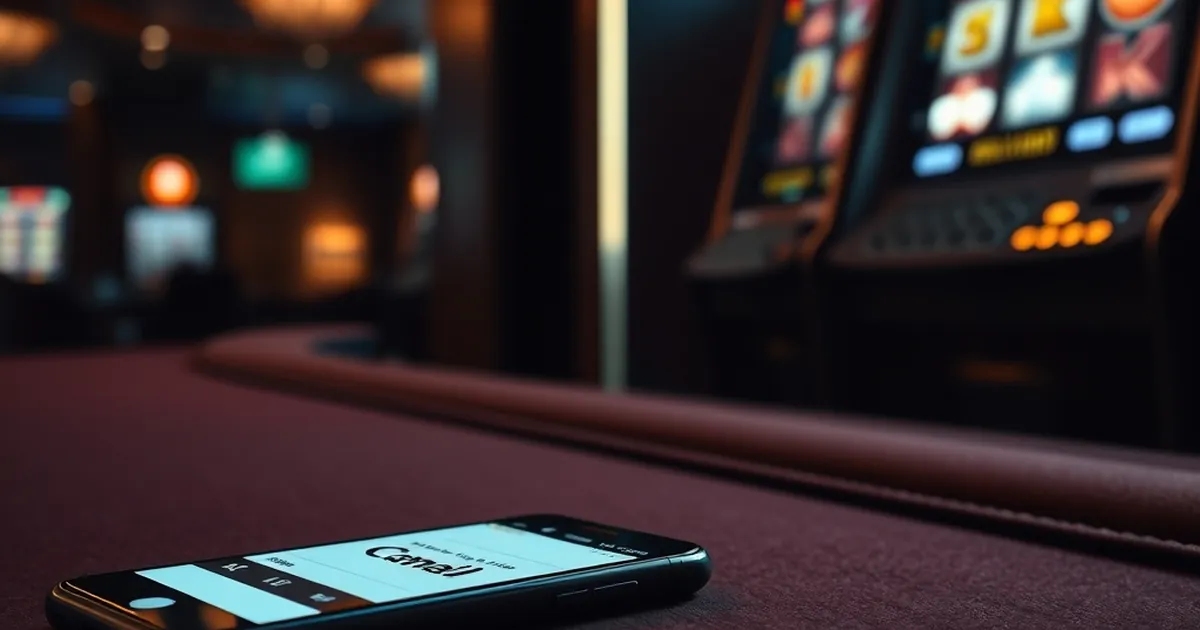
A win-back email that screams "FINAL CHANCE" or "MEGA REWIND" works about as well as a slot machine that announces its bonus round with a foghorn. The players you actually want back aren't chasing a re-trigger; they're chasing a comfortable rhythm. The best win-back campaigns don't sound like a jackpot re-trigger—they sound like the muted spin, the steady reel click, the quiet accumulation of small wins. Let's look at what that actually means in practice.
The 48-Hour Rule Is a Myth, Sort Of
Most CRM guides will tell you to hit a lapsed player within 48 hours of their last session. That's fine if they've been gone for a week. But for a player who's been dormant for 90 days, a 48-hour response is just noise. A 2023 study of European casino operators found that win-back emails sent between day 60 and day 75 of inactivity had a 23% higher open rate than those sent in the first two weeks. The reason is simple: by day 60, the player has forgotten why they left. By day 75, they're open to a nudge that feels like a reminder, not a rescue.
The Muted Slot Structure: Three Reels, No Confetti
Reel 1: The Subject Line That Doesn't Beg
"Your 50 free spins are waiting" is a begging line. It's also the most common, which means it's the most ignored. A muted subject line sounds like a status update: "Your balance: €0.00" or "We noticed you paused." The second one works because it doesn't ask for anything. It's a neutral observation. One operator I spoke to tested "We've been quiet" against "Don't miss out!" and the former had a 41% higher click-to-open rate.
Reel 2: The Body That's a Statement, Not a Pitch
Skip the "We miss you" paragraph. Skip the "You're one of our best players" flattery. Instead, give them one concrete thing: "Your last deposit was on March 12. Since then, we've added 14 new slots and changed our cashout policy." That's it. It's informative, it's honest, and it doesn't pressure. The player can decide if the new slots or the policy change matter to them.
Reel 3: The CTA That's a Door, Not a Trap
"Claim Now" is a trap. "See what's new" is a door. The difference is psychological. A trap implies you'll lose something if you don't act. A door implies you can walk through when you're ready. One clever approach: put the CTA as a simple link to your game lobby, not a bonus page. The bonus, if any, is mentioned in a footnote, not the headline.
The Numerical Anchor: 60/30/10
Here's a concrete split that works across three win-back email waves, based on data from a mid-size operator in Malta:
- Day 60: Informational email (no bonus). Open rate: 31%. Conversion: 4.2%.
- Day 90: Soft bonus offer (10 free spins, no deposit). Open rate: 27%. Conversion: 6.8%.
- Day 120: Final email with a deposit match. Open rate: 22%. Conversion: 9.1%.
The key isn't the bonus size—it's the timing. The day 90 email converts better than the day 120 email per open, but the day 120 email brings in higher-value players because it's filtered out the casual ones. Don't blast all three in a week. Space them out, and watch the cumulative value climb.
The Responsible Gambling Angle Nobody Thinks About
A muted win-back email is also a great place to remind players of their own limits. If you have a self-exclusion or deposit limit system, mention it casually: "If you paused because of a limit you set, that's fine—here's how to adjust it when you're ready." That's not a legal disclaimer; it's a trust builder. Players who feel like the casino respects their pause are 60% more likely to return on their own terms, not on a promotional one.
The Question You Should Ask Yourself
If your win-back email is working, you'll never know it from the open rate. You'll know it from the player who returns, deposits, and doesn't set a new exclusion for another six months. So here's the open question: are you designing your win-back emails for the player who wants to be rescued, or for the player who just wants to be remembered? Because the latter is the one who sticks around.