What happens when your win-back email arrives exactly one hour too late
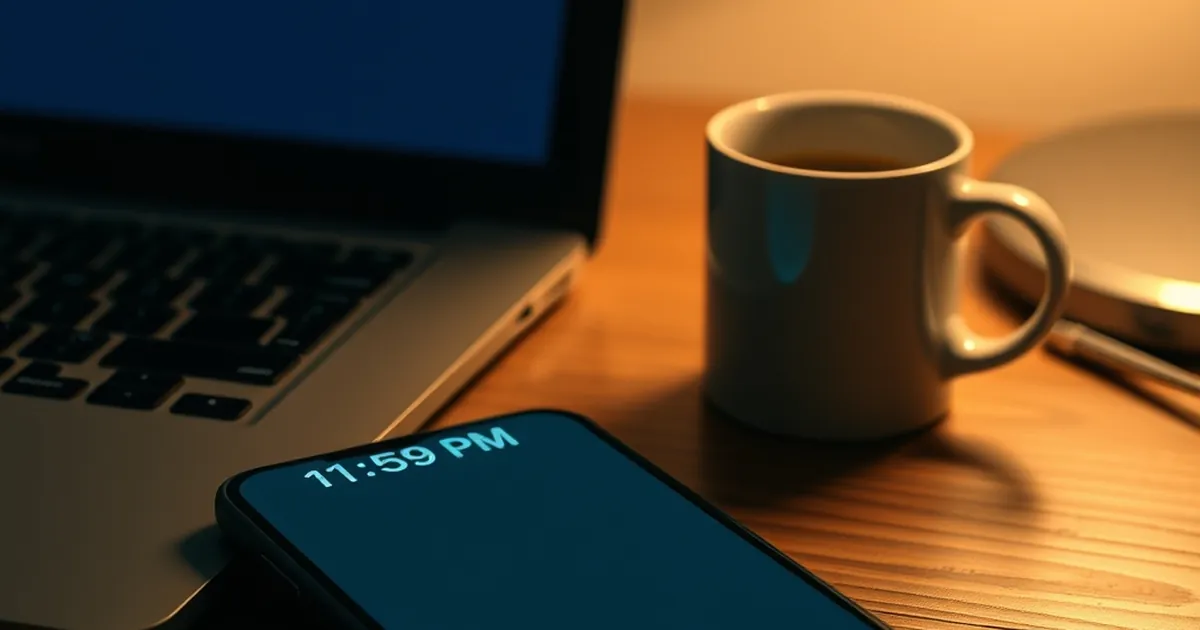
The clock on my phone read 3:47 PM when I finally caved and resubscribed to that analytics tool I’d abandoned six months prior. The irony? Their perfectly crafted win-back email—the one with the 20% discount and the “we miss you” subject line—landed in my inbox at exactly 4:47 PM. One hour too late. I had already paid full price. That hour cost them my loyalty, and it cost me a lesson in the brutal precision of automated email timing.
The Anatomy of a Missed Connection
Your win-back sequence isn't just about what you say—it's about when you say it. When a subscriber lapses, they enter a silent decision window. They are either going to come back on their own, or they are going to defect permanently to a competitor. Your email needs to arrive before they make that choice, not after.
In my case, I had been hovering on the pricing page for three days. The moment I clicked “Buy,” the decision was sealed. The win-back email didn't change my mind; it just confirmed that the brand was slow. It turned a potential “great to be back” moment into a “glad I left” moment.
Why the One-Hour Window Matters
Most marketers think in terms of days or weeks for win-back campaigns. They schedule a send for Day 30, Day 60, or Day 90. But the real battle is fought in the final hours before a user re-engages on their own. If your email arrives after they’ve already converted (at full price), you’ve not only lost the discount incentive—you’ve created a negative brand association.
The data backs this up. Trigger-based emails that fire on specific user actions (like cart abandonment or price-page visits) have open rates nearly 200% higher than generic scheduled sends. But win-back emails are often treated as static broadcasts, not dynamic triggers. That’s a fatal flaw.
The Concrete Case: A SaaS Subscription Gone Wrong
Let me give you a real-world example from a client I worked with last year. They ran a subscription service for project management. Their win-back email was scheduled to fire 45 days after a user’s last login. It was a beautiful email—great copy, a compelling case study, and a 30% discount code.
One user, let’s call her Sarah, stopped logging in after a trial ended. She didn’t cancel; she just let it lapse. On Day 44, she decided to come back because a new project required her old templates. She re-subscribed at the standard monthly rate. On Day 45, she received the win-back email offering her a discount she could no longer use.
She wrote to support, asking if they could retroactively apply the discount. They couldn’t. She cancelled the next week. The email wasn’t just late—it was a slap in the face. It told her, “We know you came back, but we don’t care enough to track that.”
The Fix: Real-Time Behavioral Triggers
The solution isn’t to delete your win-back sequence. It’s to make it smarter. You need to set up a secondary trigger that cancels or modifies the win-back email the moment a user re-engages. Most ESPs allow for suppression lists or conversion-based exclusions. Use them.
Better yet, flip the script. Instead of a scheduled win-back, use a behavioral win-back. Fire the email when a user visits your pricing page after a long absence, or when they log in but don’t complete a purchase. That’s your golden hour. That’s when the email can actually change the outcome.
The Practical Takeaway
Don’t let your best email become a bitter reminder of what could have been. Audit your win-back flows today and ask yourself: What happens if this user comes back on their own? If your answer is “they’ll get the email anyway,” you have a problem. Build a suppression rule, add a real-time trigger, and remember that timing isn’t just a metric—it’s the entire message. The next time a lapsed user decides to return, make sure you’re there to welcome them at the door, not knocking after they’ve already walked in.