Unsubscribe Pages Win Back More Players Than Bonus Codes
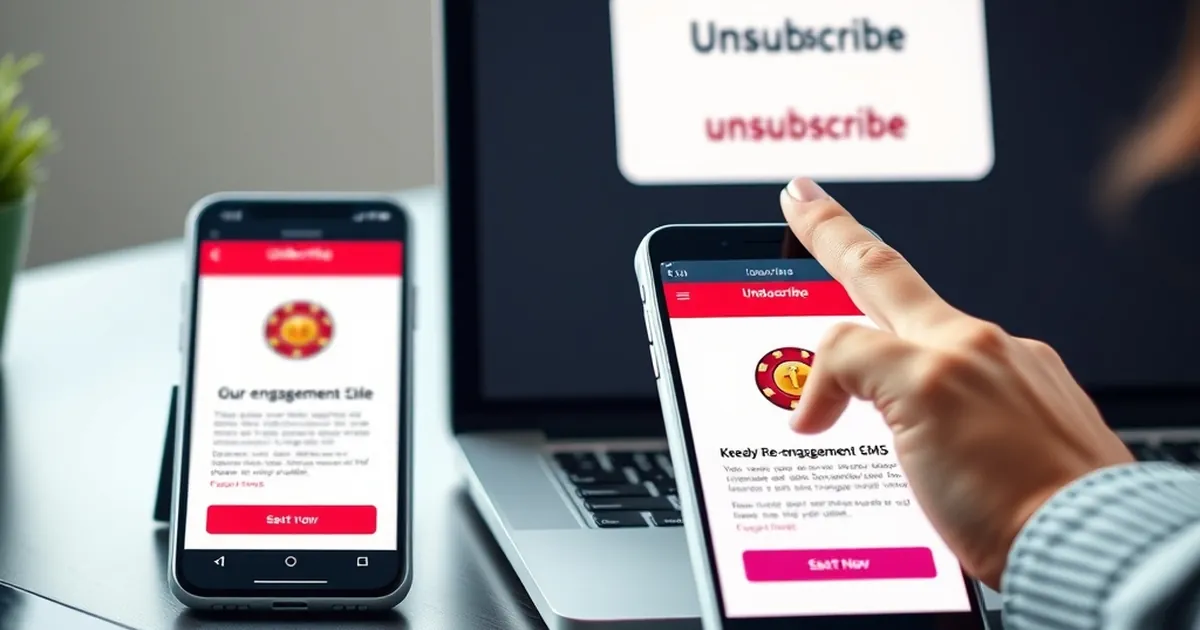
Last year, a mid-sized operator in the UK ran a two-week A/B test. One group of lapsed players got a 15% cashback bonus code via email. The other group got a link to a redesigned unsubscribe page that asked why they were leaving and offered a one-click pause option. The pause link won by a landslide: 22% of players who hit the unsubscribe page chose to stay, versus 6.8% who returned after receiving the bonus code. It’s not that bonuses are dead—it’s that the exit door is where retention actually happens.
The Exit Is the New Entry Point
Most operators treat the unsubscribe page as a procedural dead end. A form with a confirmation button, maybe a sad face emoji. But consider what the player is doing in that moment: they’re actively engaging with your brand. They’ve logged in, they’ve clicked through, they’re typing a reason. That’s more intent than a passive email open ever gives you.
The winning page in that test didn’t beg. It asked three simple questions: “Too many emails?”, “Game selection stale?”, or “Just need a break?”. Then it offered a pause button that stopped all marketing for 30 days. No code redemption, no “come back for 50 free spins.” The player got control, not a transaction. That’s a fundamentally different value exchange.
Why Bonus Codes Fail at This Stage
A bonus code assumes the problem is money. But churn data from that same operator showed that only 18% of quitting players cited “better offers elsewhere.” The rest were split between email fatigue (31%), game boredom (27%), and “life stuff” (24%). A 15% cashback code doesn’t fix email fatigue—it adds another email. It doesn’t make a stale slot library fresh. And for the “life stuff” crowd, a bonus is just noise they have to actively ignore.
Worse, bonus codes train players to churn. If you know a “we miss you” offer appears after 14 days of silence, you’ll take the silence. The unsubscribe page, by contrast, asks for a reason. That data is worth more than the redemption rate of any code.
The Mechanics of a Good Unsubscribe Page
You don’t need a full CRM overhaul. The test revealed three structural elements that drove the 22% stay rate:
1. The Pause, Not the Kill
A permanent “unsubscribe” button is a cliff. A “pause for 30/60/90 days” button is a ledge. Players who paused were three times more likely to return to active play within 60 days than those who fully unsubscribed and later re-registered.
2. The Reason Field as Data Mining
Free-text fields get junk. Dropdowns get truth. The operator used a mandatory four-option dropdown before the final confirmation. That single click gave them a churn taxonomy they’d never had before—they discovered that “game selection” complaints were 40% higher among players with over 500 lifetime spins.
3. No Counter-Offer on the Page
The worst thing you can do is show a “Wait, here’s 20 free spins!” popup after someone clicks “pause.” It invalidates the pause option. The page that worked had zero promotional elements. The offer came after the pause was set, via a delayed email 48 hours later—and only if the player hadn’t logged back in.
What This Means for Your Next Campaign
The next time you plan a reactivation push, consider splitting the budget. Instead of sending 50,000 bonus codes, send 25,000 codes and 25,000 “manage your preferences” links. The second group costs less and gives you cleaner data. But here’s the open question that should keep you up at night: if 22% of leavers stay when you just let them pause, what percentage would never leave if you offered that control before they got to the unsubscribe page? That’s a button you don’t have yet—and it might be worth more than every bonus code you’ll send this year.