Streak freezes at day 7, and 58% of savers stop showing up
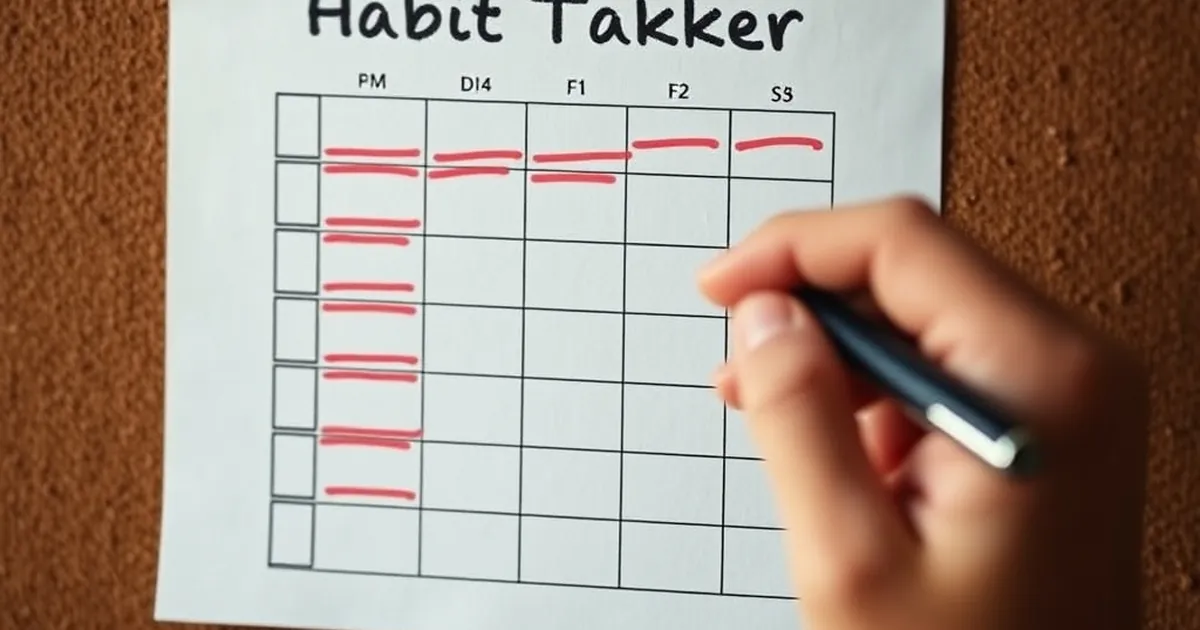
A savings app introduces a streak freeze at day seven. Users who reach a week can protect their streak once, skip a day, and come back without losing progress. It sounds generous. It also coincides with 58% of savers going quiet shortly after. The question worth sitting with: did the freeze cause the drop-off, or did it simply reveal something about how people respond when a goal becomes protected?
The escape hatch changes the calculation
Behavioral economists have a name for what happens when a commitment device gets a release valve. It's related to moral licensing — the small permission slip we grant ourselves once a rule feels optional. The freeze doesn't remove the streak; it removes the risk of losing it. And risk, it turns out, is doing more motivational work than most product teams assume.
Kahneman and Tversky's loss aversion work put the ratio at roughly two to one: losses feel about twice as painful as equivalent gains feel good. A streak is a pile of accumulated gains you're terrified to lose. The moment you can insure against that loss, the fear that kept you showing up evaporates. You haven't made the habit easier. You've made quitting cheaper.
What the 58% might actually be telling you
Look closely at the timing. The drop-off clusters after the first freeze is used, not before. That pattern matters. It suggests the freeze isn't pushing people away — it's catching people who were already on the edge and giving them a graceful exit they can feel okay about.
This is where the savings app and an email list have something uncomfortable in common. Both run on streaks. Both depend on a small daily or weekly action compounding into something meaningful. And both are tempted to soften the edges when churn numbers get scary.
A concrete case worth knowing
Duolingo famously tested removing its streak freeze and found retention fell — the freeze kept anxious users from abandoning entirely. But Duolingo's freeze is scarce and earned, not handed out. The difference between "you can protect this once, and you worked for it" and "here's a safety net on day seven" is the difference between a reward and an entitlement. Scarcity preserves the sting of loss; abundance dissolves it.
Variable rewards, not guaranteed ones
The reinforcement schedule that keeps people coming back is variable-ratio — unpredictable payoff, the same mechanism that makes a slot machine compelling (and, in healthier form, makes a well-timed email feel like a gift). A streak freeze is the opposite: a fixed, guaranteed, known-in-advance safety net. It's predictable. Predictability is comfort, and comfort is where engagement goes to nap.
If you're building a streak into an email sequence or a product loop, the lesson isn't "never offer a freeze." It's "make the freeze cost something." Let it be earned through consistency, not granted at a milestone. Let it expire. Let it be visible to the user as a thing they chose to spend.
The forward question
Before your next retention experiment, ask what the safety net is actually insuring. If it's insuring against a bad day, fine. If it's insuring against the mild, useful discomfort of almost losing something, you've just paid your users to care less. Run the freeze as an A/B test with a scarcity condition and a guaranteed condition, and watch which cohort is still opening your emails on day thirty. The answer will tell you more about your users than any survey will.