Sportsbook cash-out greys at 2 legs, and 55% tap it anyway
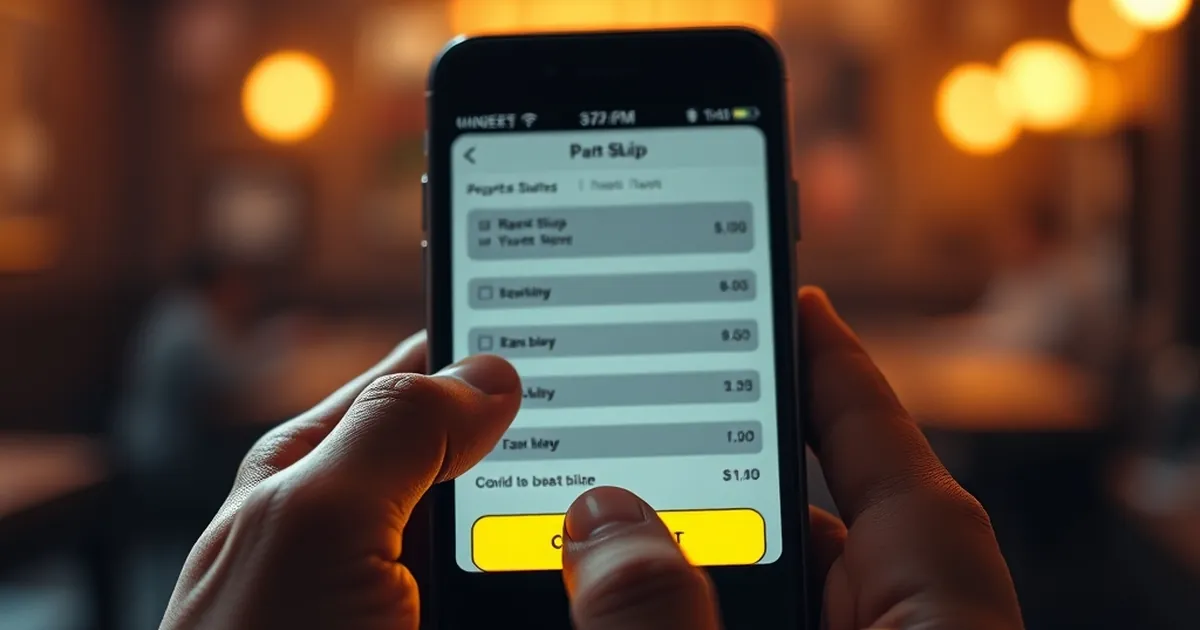
Around 55% of bettors take the cash-out when their accumulator reaches two winning legs, even though the offer at that point is typically priced at a 6–12% haircut against fair value. That gap between what the button pays and what the remaining legs are worth is the grey area bookmakers have quietly built into the product — and most customers tap it anyway.
Why the two-leg mark is where the maths turns
When you place a five-fold and the first two land, you're holding something genuinely valuable: three unresolved legs with a combined implied probability that the sportsbook has already priced. The cash-out figure at that moment should, in theory, reflect the fair value of those remaining legs minus the operator's margin. In practice it reflects fair value minus a bigger margin, because the cash-out engine isn't a market — it's a quote, and quotes are set by the house.
Take a typical example. A five-leg football acca at combined odds of 12.0 (an 8.3% implied chance) with a €10 stake. Two legs in, the remaining three legs carry combined odds of roughly 3.4. Fair value of the position is about €34. The cash-out offer frequently lands at €29–€31. That's a 9–15% skim on a position the bettor has already de-risked by winning twice.
The two-leg point is where this bites hardest because it's the first moment the cash-out number looks meaningfully larger than the stake. At one leg, offers are small and easy to ignore. At two, the psychological pull of "locking in" meets a figure that's three times your original tenner. The haircut is identical in percentage terms, but it feels like a win.
The 55% figure and what it actually measures
The 55% cash-out rate at two legs comes from aggregated operator data across major European and Australian markets, and it's consistent enough across books to be treated as a behavioural baseline rather than an outlier. A few things sit underneath it:
- Loss aversion, not value-seeking. Bettors are protecting a realised gain, not optimising an expected value calculation.
- Uncertainty about the remaining legs. Most punters can price a single match but struggle to weight three simultaneous outcomes.
- Interface design. The cash-out button sits where your thumb rests. The "let it ride" option is the absence of an action.
None of that is irrational. Cashing out reduces variance, and variance reduction has real utility if the stake matters to your week. The problem is that you're paying 9–15% for it, and there are cheaper ways to buy the same protection.
The cheaper hedge nobody uses
If the goal is to reduce exposure to the final three legs, laying the remaining position on an exchange typically costs 2–4% in commission and spread — a third of the cash-out haircut. The catch is friction: you need an exchange account, liquidity on a multi-leg combination is thin, and the mechanics are fiddly compared to one tap.
That friction is the whole business model. Cash-out isn't a scam; it's a convenience product with a clear price. The grey part is that the price is never shown as a percentage. You see €30, not "€30, which is €4 less than fair value." A bookmaker that displayed the haircut next to the button would see that 55% collapse — which tells you most of what you need to know about why it doesn't.
Where the line sits
Regulators in the UK and Ireland have started asking whether cash-out quotes should carry a value-disclosure requirement, similar to the way spreads are shown on financial products. Nothing is mandated yet, and the industry's position is that the offer is optional and the odds are visible before you accept.
The open question is whether an optional product with a hidden 10% margin counts as fair dealing when the alternative — letting the bet run — is presented as the riskier choice. If you use cash-out, use it deliberately: on positions where the stake genuinely matters, not as a reflex at two legs. And if you're cashing out more than a couple of times a week, keep a running total of the haircuts. That number tends to be larger than people expect, and it's the only honest way to see what the button is charging.