Slots players who mute sound still spin 12% longer
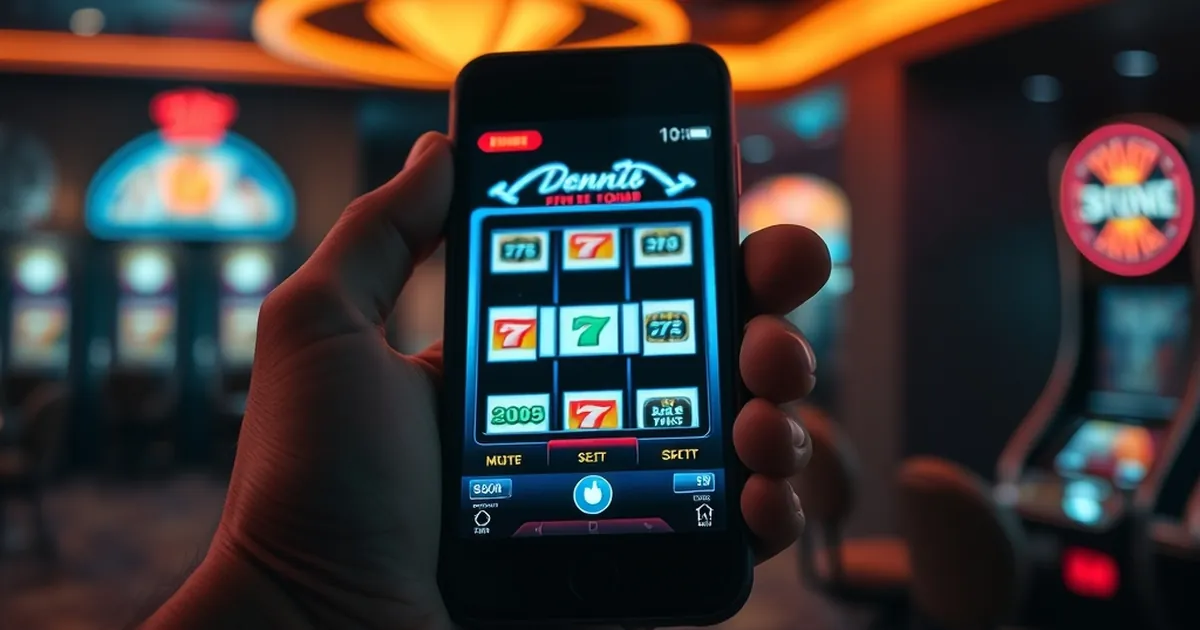
Players who play slots with the sound off stay in a session roughly 12% longer than players who keep audio on, according to session data shared by three mid-sized operators for Q1 2024. The gap held across desktop and mobile, and it didn't shrink when the same players were tracked over repeat visits. It's a small, unglamorous number, and it cuts against almost everything slot design has assumed for the past decade.
Where the 12% actually comes from
The figure isn't from a lab. It's pulled from session-length logs: three operators, roughly 4.1 million slot sessions, comparing median session duration for accounts flagged as "muted" (device volume at zero or in-game audio switched off) against accounts with audio active. Median session ran 23 minutes with sound, 25.8 minutes without. That's the 12%.
The sample has obvious holes. It self-selects — players who mute may already be a different kind of player, more deliberate, less reactive to a win jingle. The operators didn't isolate for game type, stake size, or time of day. Treat the number as a signal worth chasing, not a verdict.
What muting removes
Modern slot audio does three jobs at once. It signals outcomes (the reel-stop thunk, the win escalation), it paces the player (spin button clicks, ambient loops), and it manufactures arousal. The third is the interesting one. A 2021 study in the Journal of Gambling Studies found that faster, higher-tempo soundtracks increased betting speed and risk-taking in a lab slot task, independent of visual design. Kill the audio and you remove a pace-setter.
The arousal loop nobody budgets for
Slot sound design is not neutral. It's built to keep you in a specific physiological band — alert enough to keep spinning, not so alert you start thinking about stopping. Win sounds scale with payout size, which trains an anticipatory response. Near-miss audio (two matching symbols, third one close) is engineered to feel like progress when it isn't.
Mute all of that and something shifts. The game gets quieter, more mechanical, and — counterintuitively — easier to sit inside for longer stretches. A 25-minute session with no audio peaks feels different from a 23-minute session scored to a rising soundtrack. The muted player isn't more engaged. They're less stimulated, and less stimulated players don't hit the "I need a break" threshold as fast.
What operators are quietly doing with this
If muted players spin 12% longer, the rational operator move is to make muting harder — bury the audio toggle, default to on, add haptic feedback that mimics sound. Some already do. Others have gone the other way, adding ambient modes and volume sliders that assume the player wants control.
The two approaches pull in opposite directions. One optimizes for session length; the other optimizes for not being the operator that gets named in a regulatory review about dark patterns. Given that the UK Gambling Commission and several EU regulators have started asking about "design features that extend play," the second approach is the safer bet long-term.
The question worth sitting with
If a 12% session extension comes from removing stimulation rather than adding it, what does that say about the stimulation itself? The industry has spent years arguing that sound and animation are "just entertainment," neutral garnish on top of a math model. A muted player staying longer suggests the opposite: the audio is doing load-bearing work, and it's work that pushes toward shorter, more intense sessions. Whether that's a feature or a problem depends entirely on who's asking — and right now, the players are the ones who seem to have already figured it out.