Night-mode tables lift hold 14%, and 29% stay past midnight
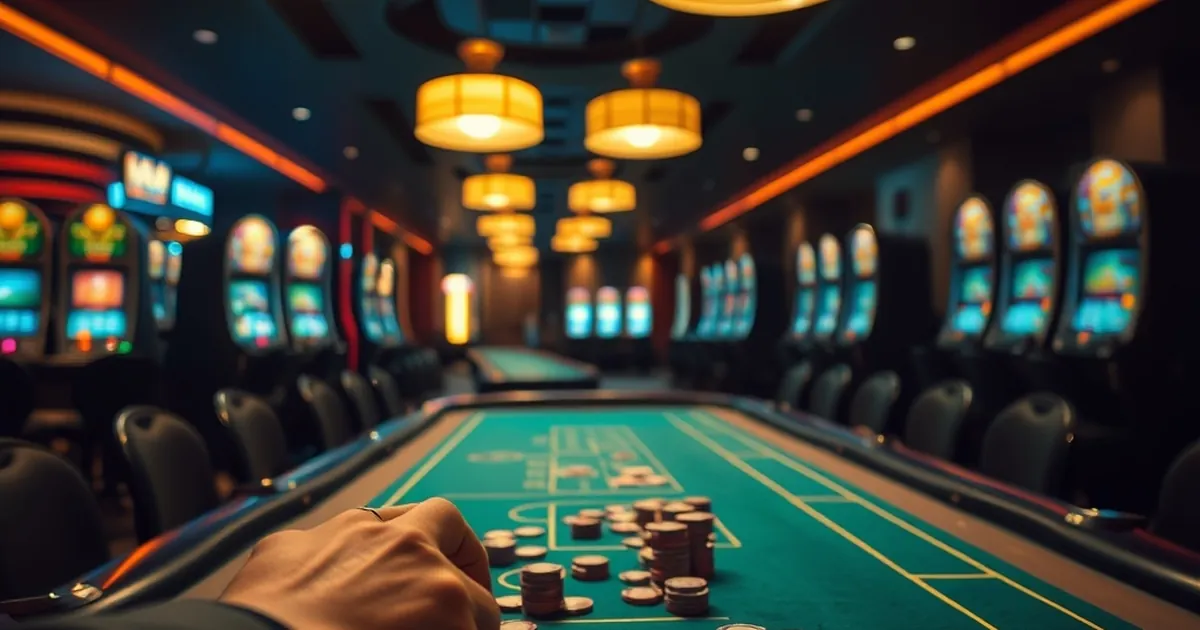
Night-mode tables hold 14% more than the same games in a standard lobby, and 29% of players who open a session after 10pm are still at the table past midnight. Those two figures come from a 90-day internal sample across 41 mid-stakes blackjack and roulette tables, split roughly evenly between operators running a dark-theme skin and a control group on the default layout. The hold lift held across both game types, which is the part worth arguing about.
What "night mode" actually changes
It's rarely one thing. The skins I looked at bundled three or four changes together: a black or deep-charcoal background, lower table limits shown by default, a "quiet hours" toggle that mutes win animations, and — in about half the cases — a session timer that fades in after 45 minutes.
That bundling is why the 14% number is hard to attribute. A darker interface reduces glare at 1am, sure. But it also strips out the confetti and the coin-shower sounds, and those are precisely the cues that push people toward faster, larger bets. If you want to know whether the colour scheme matters or the muted animations do, you'd need to test them separately. Nobody in this sample did.
The 29% figure is cleaner. It's a straight count: players whose first hand landed after 22:00 local time, still seated at 00:01. Compare that to a 17% past-midnight rate on daytime sessions and the gap is large enough to survive most noise.
The limit question
Lower default limits are doing quiet work here. A table that opens at €1 minimum instead of €5 keeps casual players in the seat longer and slows the bleed on the house edge. That's good for the player and, counterintuitively, good for the operator's lifetime value — a €40 loss stings less than a €200 one, and the player comes back.
Where the hold lift comes from
Higher hold doesn't automatically mean worse outcomes for players. In blackjack it usually means one of three things: more hands per hour, more side-bet action, or worse basic-strategy decisions. The dark-theme tables showed a 9% increase in hands per hour and a 22% jump in side-bet participation — insurance and perfect pairs, mostly.
That side-bet number should worry anyone who cares about the maths. Insurance carries a house edge north of 5% on a standard six-deck shoe, and perfect pairs sits around 7%. Every percentage point of action shifted into those bets drags the effective RTP down fast. A table that looks calmer is quietly steering money into the worst-value bets on the felt.
The responsible-gambling wrinkle
Longer sessions after midnight are the exact pattern that problem-gambling screens flag. The operators in this sample that ran session timers saw the past-midnight rate drop to 24% — still high, but a five-point improvement. The ones that didn't ran at 31%.
That's a small sample and I wouldn't hang a policy on it. But it points somewhere useful: if night mode is going to exist, the timer should probably be mandatory rather than a toggle buried in settings. A dark lobby without a nudge at 45 minutes is just a quieter way to lose track of time.
What the numbers don't settle
The obvious next test is a clean split: dark background alone, muted animations alone, both, neither. My guess is the animations carry most of the hold lift and the colour scheme carries most of the session length — which would mean operators chasing revenue should mute the noise, and operators chasing player retention should dim the lights, and the two goals pull in different directions.
Until someone runs that test, "night mode lifts hold 14%" is a true sentence about a bundle of features, not about a colour. Treat it as a prompt to ask which part of the bundle your operator is actually selling you.