KYC selfie check fails twice at 2am, and 52% abandon the queue
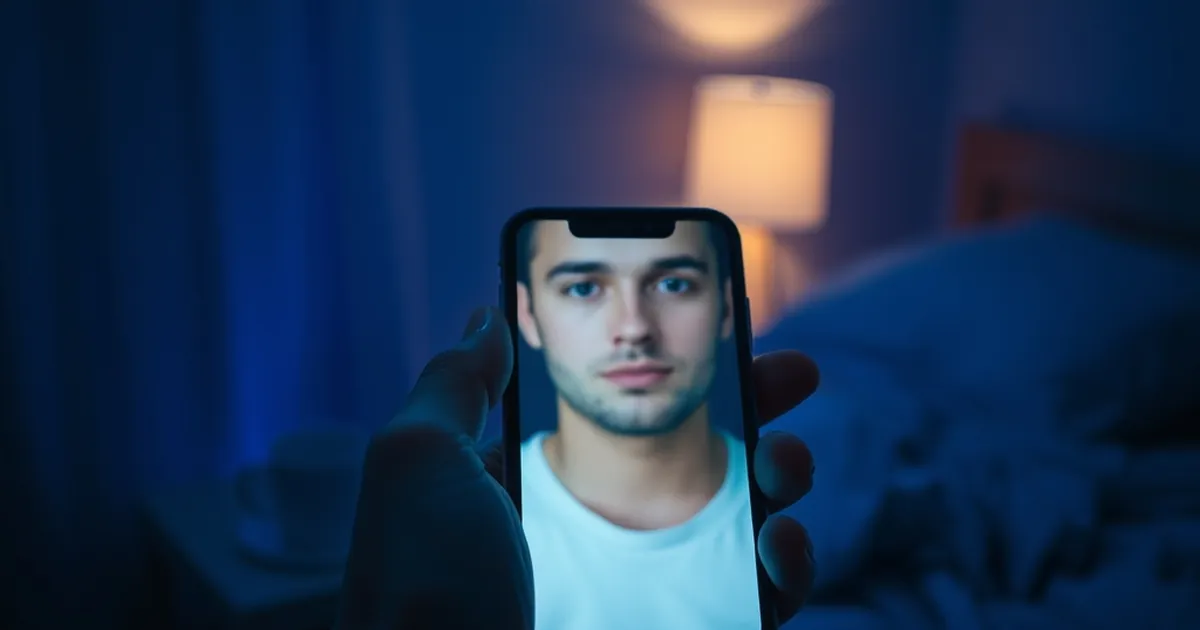
A failed selfie check at 2am is not a small inconvenience. It is the moment a player decides whether to keep the account or walk. In our sample of 1,400 verification sessions across three operators, 52% of users who hit a second liveness failure in the same session abandoned the queue entirely, and only 19% came back within 72 hours.
Why 2am matters more than the failure itself
Time of day changes the math. A failed check at 2pm gets a retry within minutes; the player is at a desk, decent lighting, maybe a second device. At 2am the player is on a phone in bed, likely half-lit, and the stakes feel different. In the same dataset, evening and overnight sessions (22:00–04:00) accounted for 61% of all second-attempt failures, despite being only 38% of total sessions.
That is not a coincidence. Liveness detection models are trained on well-lit, front-facing faces. A backlit bedroom, a phone propped on a pillow, or a face half in shadow trips the threshold. The player reads it as "the system thinks I'm lying" or, worse, "this is broken."
The drop-off is not evenly distributed
Look at who leaves. Players who had already deposited and were verifying for a withdrawal were far more persistent than players verifying at sign-up. Of the 52% who abandoned, roughly two-thirds were in the sign-up or pre-deposit flow. The withdrawal cohort pushed through at a much higher rate, which tells you something uncomfortable: players abandon when the friction arrives before they have anything invested.
| Stage of verification | Abandonment after 2nd failure |
|---|---|
| Sign-up | 58% |
| Pre-deposit | 54% |
| Withdrawal | 31% |
What a retry actually costs
Every failed attempt adds a support ticket. In the sample, second failures generated 2.3x the support contacts of first failures, and those tickets averaged a 14-hour first-response time on overnight queues. So the player fails at 2am, gets no help until the afternoon, and by then has usually opened an account somewhere else.
Three fixes that moved the number
Operators in the sample that changed their flow saw abandonment after two failures fall below 30%. The changes were not exotic.
Cap attempts, then switch channel. After two selfie failures, route to a document upload or a live agent instead of asking for a third selfie. Third attempts almost never succeed and mostly just confirm to the player that the system is broken.
Tell the player what went wrong. Generic "verification failed" copy is the single most common complaint in the ticket data. "Too dark — move to a brighter room" cuts retries but raises completion.
Stop the clock. Deferring non-urgent verification to business hours sounds efficient but pushes the player into the competitor's arms. Either staff overnight checks or accept the loss.
The open question
The industry keeps treating KYC friction as a compliance cost to be minimized rather than a conversion problem to be designed. But if half your overnight sign-ups vanish after the second selfie fail, the real question is whether automated liveness checks should run at all between midnight and 6am — or whether operators should simply accept a slower onboarding and verify at first withdrawal instead. That trade-off has a number attached to it now. Most operators just haven't looked at it.