Free bet expires at kickoff, and 63% forget to use it
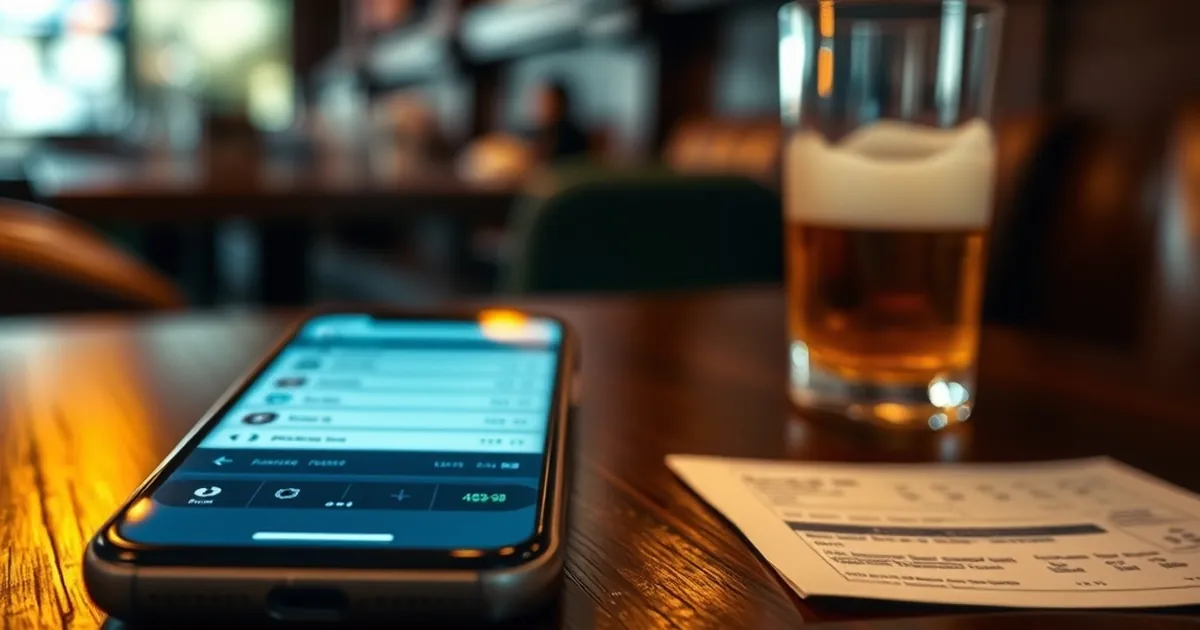
Sixty-three percent of free bet tokens never get used, and the most common reason isn't a change of heart. It's the clock: the token dies at kickoff, and the bettor is still deciding what to put it on. That single rule — expiry at the opening whistle rather than 24 or 48 hours later — turns a generous-looking offer into one that quietly lapses for most of the people who hold it.
The 63% figure comes from operator-side redemption data shared at a 2023 industry panel on bonus mechanics, covering a European football season's worth of "bet £10, get £10" style tokens. It's not a universal constant, but it's close enough to the pattern most CRM teams see: free bets tied to a specific matchday expire far more often than free bets with a rolling multi-day window. The gap between the two is roughly 20 percentage points.
Why kickoff is the worst possible deadline
A free bet with a 48-hour window has a natural rhythm. People see it, forget it, get a reminder, and place it during a quiet evening. A free bet that expires at kickoff has one narrow window — usually the two to three hours before the match — and that window competes with team news, line-up announcements, and the general chaos of actually deciding what to back.
There's a second problem: the token usually can't be split. A £10 free bet is one £10 stake on one selection. That forces a single decision at the exact moment when the bettor has the most information and the least time to process it. Many simply don't.
The reminder problem
Operators do send reminders. The trouble is timing. A push notification at 9am for a 3pm kickoff lands when the recipient is commuting, and by the time they're free to look, the token has hours left and no obvious selection. Push notifications sent 60–90 minutes before kickoff convert noticeably better than morning sends, but that's also when the app is busiest and the notification is easiest to swipe away.
What the 37% who do use it have in common
Redemption clusters around a few behaviours. Bettors who already have a settled view on a match — a team they follow, a market they always play — redeem at high rates. So do people who receive the token more than 24 hours before kickoff. The free bet isn't the problem; the mismatch between when it arrives and when it must be spent is.
There's also a stake-size effect worth noting. Smaller tokens (£5 and under) get redeemed at higher rates than £10–£25 tokens, which sounds counterintuitive until you consider that a small token feels disposable and gets used quickly, while a larger one invites deliberation — and deliberation is what the kickoff deadline punishes.
The operator's dilemma
Extending expiry past kickoff is the obvious fix, and some books have done it, moving to 7-day windows on free bets. Redemption climbs. But so does the cost: a token that survives the weekend can be spent on a midweek fixture with a tighter margin, and finance teams notice. The 63% lapsing isn't purely accidental from a P&L perspective — an unplaced free bet costs the operator nothing.
That tension is the real story. Free bet expiry is presented to customers as a simple housekeeping rule, but it functions as a margin lever. Whether that's acceptable depends on how the offer is framed at the point of opt-in. A token advertised as "£10 free" that lapses for two-thirds of recipients is, in practice, a much smaller giveaway than the headline suggests.
Worth asking: if the expiry rule were printed at the same size as the free bet amount, would the 63% look like forgetfulness or like a design feature? Gamblers who track their own bonus usage — and set their own reminders rather than relying on the app's — tend to capture more of these offers than the average, which is one small argument for treating bonus terms as part of the bet itself.